A spectator once told me, after we ended up a workplace first aid training, that the only factor he registered was due to the fact that his supervisor urged. Six weeks later he utilized those abilities on his papa, that collapsed at a family barbeque. The rescue team told him bluntly: beginning CPR early probably saved his daddy's brain.
He did not remember every acronym or every slide. What he did remember was just how it really felt to stoop beside a manikin, lock his joints, and keep going till assistance showed up. That muscular tissue memory is precisely what a well run fast first aid course is designed to build.
Fast, express, condensed, increased - the labels vary, therefore does the quality. If you wish to go from zero to licensed without wasting time or cash, it helps to understand what you are actually purchasing when you search for a "fast first aid course near me".
This guide goes through the truths behind fast first aid and CPR training, what an excellent course ought to cover, and exactly how to pick an option that fits your timetable without reducing corners on safety.
What "fast" actually suggests in first aid training
Fast first aid training does not suggest careless or incomplete, at least not when it is done effectively. In method, speed normally originates from 2 points: focusing securely on core abilities, and using combined shipment so you total theory online and keep class time for hands on work.
A trustworthy fast first aid course or fast cpr course is usually:
- Short in complete hours compared to multi day traditional courses, frequently 3 to 6 hours of get in touch with time plus pre learning. Focused on the most typical life endangering emergency situations, instead of every rare scenario in the textbook. Highly structured, with very little downtime, side chatter, or redundant content.
That trade off works well for most individuals. The first aid and cpr abilities that genuinely matter in the first few minutes of an emergency situation are not made complex. Early CPR, early defibrillation, standard bleeding control, risk-free positioning, and calling for aid will save much more lives than a perfect plaster on a sprained ankle.
Where speed comes to be an issue is when companies shave off the moment required to exercise. You can enjoy CPR videos all the time, however until you really push on a breast and feel just how deep and fast proper compressions are, you do not have the skill. Fast first aid courses that skip or hurry useful analysis normally generate paper certifications, not qualified responders.
When you assess express first aid courses or express cpr courses, always ask just how much hands on time is consisted of, not simply the promoted duration.
Core abilities you ought to walk away with
Whether you reserve a workplace first aid training, an express childcare first aid course, or a weekend break CPR refresher, the outcomes ought to really feel remarkably similar. The context and added topics might alter, yet the structures stay constant.
By completion of a strong first aid and cpr course, you should have the ability to:
Recognise an emergency promptly. That appears obvious, but I have watched adults stand frozen by a collapsed coworker due to the fact that they were unclear if they were "overreacting." Fast courses make use of scenarios to educate that initial psychological action: this is not typical, I need to act.
Check responsiveness and breathing securely. You need to understand just how to approach, exactly how to open a respiratory tract, and exactly how to decide whether breathing is typical or otherwise. Several students undervalue just how agonal gasps look and appear. Great cpr training always makes clear this.
Call for help effectively. Dialing emergency situation solutions is not simply pushing 3 numbers. In course we practice what to claim, exactly how to define the place, and just how to turn over to another person without chaos.
Start CPR with confidence. That consists of proper hand position, compression depth and rate, risk-free air flows if called for in your regional procedure, and how to switch rescuers if there are 2 individuals. Fast cpr courses concentrate hard on this, frequently making use of responses manikins that reveal whether your compressions are deep enough.
Use an AED without hesitation. Modern defibrillators are very user friendly, yet individuals still bother with "doing it incorrect." An effective first aid and cpr training course lets you open up an AED, place pads, comply with triggers, and take care of sensible questions like chest hair or water.
Control life intimidating bleeding. Direct pressure, standard dressings, and when to use a tourniquet or haemostatic clothing if those are part of your work environment kit.
Position and keep an eye on a casualty. Recovery position for someone that is breathing however unresponsive, resting positions for breathing trouble, and continuous checks until aid arrives.
On top of this, different first aid courses layer on subjects such as choking, burns, cracks, allergic reactions, diabetic person emergency situations, and seizures. Fast first aid course carriers sometimes press these right into circumstances instead of different talks. The objective is still the very same: you need to have the ability to make safe, basic decisions under stress.
Types of fast and express first aid courses
Once you begin browsing, the food selection of alternatives expands swiftly. From a trainer's side, there are a couple of typical patterns.
General fast first aid course
This is the classic short, wide program that covers grown-up basic life support, bleeding, common injuries, and straightforward health problem recognition. It suits white-collar worker, volunteers, and any individual who wants a first aid certificate for general life rather than a certain task requirement.
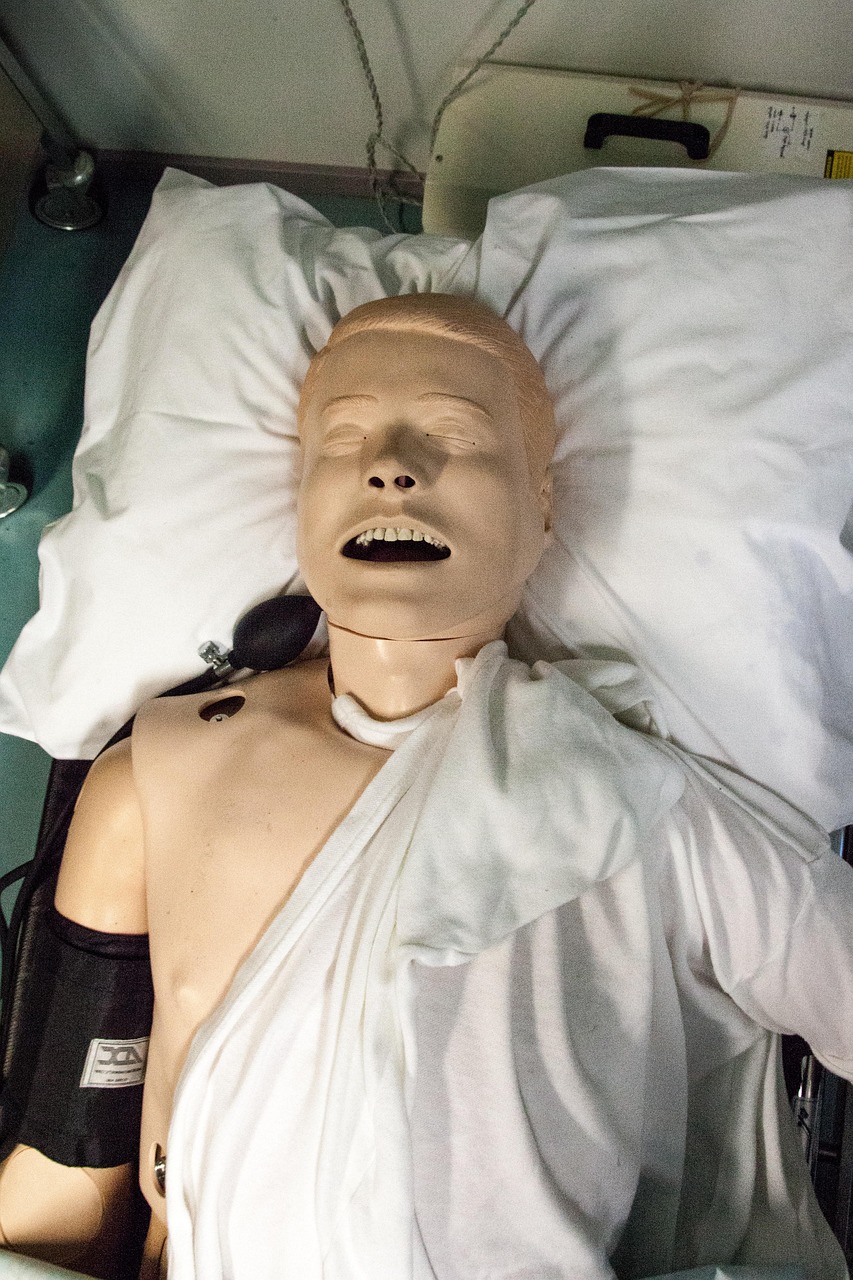
Duration varies by country and certification, but a typical fast first aid training session runs for half a day personally, supported by 1 to 3 hours of on the internet pre learning.
CPR only and fast cpr refresher course
If your single focus is resuscitation, search for targeted cpr courses or express cpr training. These fast cpr courses centre on:
- Adult CPR and AED for solitary rescuer Sometimes kid and baby CPR, relying on the program Special situations like sinking or trauma if time allows
A fast cpr refresher course is suitable if you already hold a certificate and want to maintain your abilities present. In lots of jurisdictions, CPR requires restoring every twelve month for work environment or specialist compliance. In practice, I advise a refresher a minimum of every 1 to 2 years for every person. Strategy wanders, confidence discolors, and standards do change.
Express child care first aid course
Parents, very early childhood instructors, and college team normally need more than adult CPR. Express child care first aid courses concentrate on:
- Infant and child CPR Choking administration for children and children Fever, seizures, allergic reactions, and asthma Practical concerns in child care setups, such as handling multiple kids while responding
An express child care first aid training session may still be just one day, yet the case studies and content skew heavily towards pediatric circumstances. If you collaborate with children, pick this over a generic class. The psychological lots of treating a child is really different, and practicing on child and infant manikins matters.
Blended first aid and cpr course
Many service providers currently incorporate on the internet knowing with short, intensive practical workshops. You full videos, tests, and theory modules in your home, after that go to a fast first aid course face to face for assessment and hands on skills.
This layout functions particularly well for:
- Busy professionals that can not pay for several days far from work. Learners that like to stop and rewind concept material. Organisations reserving team first aid and cpr training classes on limited schedules.
The secret is honesty. You should actually complete the pre course modules effectively. Skipping through them and wishing to catch up in course seldom finishes well.
What a well created fast first aid training day looks like
Not all "express" schedules are equal. When I make a fast first aid and cpr course, I function backwards from what learners must do capably before I sign their first aid certificate, then construct a tight schedule around that.
A normal in person day for a blended or express first aid course may look like this:
Short testimonial of pre understanding and crucial principles, consisting of questions. Demonstration and technique of key study, CPR, and AED, rotating with adult, child, and baby manikins if covered. Scenario based technique of common emergencies such as choking, bleeding, and subconscious breathing casualties. Practical assessment and debrief, with time for specific training and work environment specific questions.Notice how the emphasis sits directly on doing, not listening. A well run express first aid training session feels literally energetic, often somewhat exhausting. If you find on your own sitting for long stretches viewing slides, you are not in a fast course, you remain in a slow-moving lecture with a short schedule.
How "from absolutely no to licensed" in fact works
People usually stress that they have no baseline knowledge. That is not an issue. In lots of fastfirstaidcpr.com.au ways, learners that concern first aid fresh, with no half kept in mind misconceptions from decades past, are less complicated to teach.
The trip from no to certified in a fast first aid or express cpr course normally plays out in three stages.
First, you create a psychological map. Throughout on the internet components or early in the class, you discover the framework: look for risk, check response, call for assistance, begin compressions, make use of an AED. You read about the recovery position, severe bleeding, and choking. This is where mnemonics and simple flowcharts help.
Second, you layer in muscular tissue memory. You kneel down, place your hands, press, and feel the resistance in the manikin's chest. You practise rolling somebody right into healing placement. You use bandages, practice your words for an emergency situation telephone call, and walk through exactly how you would certainly take care of a subconscious coworker in your actual workplace.
Third, you verify you can place it with each other under light stress. During analysis, you react to timed scenarios, commonly with a partner. You do not need to be best. You do require to be safe, fairly confident, and able to comply with the core sequence without coaching.
That is the actual factor of fast certification. The paper certificate or digital badge only matters due to the fact that it signifies that an assessor has viewed you get the job done to a clear standard.

Choosing the ideal fast first aid course provider
I have shown for large national organisations and small neighborhood teams. Dimension alone does not anticipate quality. What matters much more is how seriously the service provider takes both conformity and learning.

Here is a basic list that assists when contrasting fast first aid courses or express cpr courses.
- Accreditation: Are their first aid and cpr courses acknowledged by the authority or market body relevant to your task or country? For work environment conformity, this is non negotiable. Instructor experience: Do they utilize instructors with frontline or real life backgrounds, such as paramedics, registered nurses, or seasoned first aid instructors, and do they obtain continuous training themselves? Practical time: The amount of hours are genuinely hands on, with manikins and situations, instead of slides? If the response is "a quick run through at the end," appearance elsewhere. Blended style: If the course is brief, do they offer purposeful pre knowing or online modules, or are they trying to pack everything right into a cramped class block? Reviews and responsiveness: Do previous individuals mention feeling great afterwards, and does the organisation solution concerns clearly before you book?
When browsing online for a "fast first aid course near me" or "express first aid course," utilize this list as a filter. Advertising and marketing language can be shiny. Certification information and schedules are harder to fake.
How regional rules and work environment requires transform the picture
Regulations around first aid course material, size, and renewal regularity differ commonly. In some areas, a standard complete first aid and cpr course is anticipated to be at the very least one full day. In others, a 3 to 4 hour blended course is sufficient if the supplier satisfies certain analysis criteria.
Workplace duty forms your choice too. A few examples from technique:
A childcare employee usually requires an express child care first aid certificate that clearly covers pediatric CPR, asthma, and anaphylaxis, restored every 1 to 3 years depending upon regional law.
A building and construction website initial aider might need an extra comprehensive fap first aid or similar program that covers crush injuries, environmental direct exposure, and trauma, even if supplied in an increased format.
A health club teacher can typically satisfy their obligations with a fast cpr course incorporated with a brief general first aid module, as long as AED use is included.
For local business, I frequently recommend a fast first aid training plan delivered on website. The teacher can after that adjust situations to your real environment, discuss where to keep the set, and even aid make event response plans. The express nature of the course keeps downtime reduced for team, yet the contextualisation makes the learning stick.
If you are reserving by yourself and unsure what you actually require, ask your employer, licensing body, or sporting activities association for details needs before enrolling. Then match those against course descriptions.
Online, blended, or classroom only: which is best?
Some learners still like a typical, fully in person first aid course. Others value the flexibility of online concept. From a mentor viewpoint, each format has profession offs.
Purely online courses for first aid and cpr worry me, unless they are plainly badged as recognition just and do not claim full proficiency. Without monitored technique, it is impossible to confirm that you can carry out risk-free, effective compressions, or roll a casualty with spinal precautions.
Blended express first aid and cpr courses strike a much better equilibrium. The online component can cover:
- Legal and moral considerations. Infection control and basic precautions. The science behind CPR and defibrillation. Recognition of common medical conditions.
Then the personally workshop concentrates on guidebook skills and evaluation. That framework is suitable for fast certification due to the fact that you do not throw away priceless classroom minutes checking out message on slides that you can have examined at home.
Classroom just fast first aid courses still belong, particularly where students have actually limited net gain access to or language barriers that are much better addressed face to face. To achieve "fast" condition legitimately, those classes usually tighten their range to core emergency situations and miss less critical topics.
When finding, be sincere concerning your very own learning style. If you recognize you will rush or neglect online components, a firmly run face to face session may be more effective, also if it takes somewhat longer on the day.
Keeping your abilities sharp after a fast course
First aid is disposable. I sometimes ask returning trainees, "When did you last practise CPR on a manikin?" One of the most typical answer is, "The last time I was right here for training."
Guidelines generally suggest CPR refresher courses at least annually and complete first aid refresher courses every 2 to 3 years. Fast cpr refresher courses exist precisely due to this. They presume you have a structure and focus on shaking off rust, dealing with bad habits, and upgrading you on any type of guideline changes.
Between formal courses, a couple of basic routines make a huge difference:
Read or watch one credible first aid source every couple of months and mentally rehearse what you would certainly perform in your very own environment.
Locate and inspect the first aid set and AED wherever you invest a lot of time: home, work, gym, school. You shed essential minutes in a genuine emergency if nobody knows where the crucial tools lives.
Talk with "suppose" circumstances with coworkers or family members in a tranquil moment. Who calls for aid, who fetches the AED, who satisfies the rescue at the door.
Encourage your workplace or area team to run brief technique drills. Five mins invested claiming a coworker has broken down in the parking lot can reveal a whole lot concerning accessibility, communication, and confidence.
The entire point of an express first aid course or express cpr course is to decrease the obstacle to entrance. It gets you started. Receiving that skills still takes calculated practice, even if it is informal.
When a fast course is not enough
Most of the moment, fast first aid courses are precisely what people require. Yet there are circumstances where you ought to invest in much deeper training.
Remote settings are a classic example. If you work or travel in locations where a rescue could be an hour away, a compressed city focused first aid training is not adequate. You need broadened abilities in long term care, ecological first aid and cpr Sunshine Coast - fastfirstaidcpr.com.au management, and improvisation.
High risk markets such as mining, hefty manufacturing, and certain sports might need extensive fap first aid or progressed first aid modules that consist of oxygen therapy, spine administration, and complex injury care. These are tough to press safely.
People in leadership roles, such as institution principals or occasion organisers, usually take advantage of added content on emergency planning, interaction with households, and post occurrence support. That sits beyond the extent of many express first aid training sessions.
Think of fast certification as a strong standard, not the ceiling. If your duties or setting bring greater stakes, treat the compressed course as the initial sounded on a longer ladder.
The real worth of obtaining licensed quickly
When someone asks me whether an express first aid course is "worth it," I think back to a particular night course. An individual, a young retail employee, completed a fast cpr course visibly unsure if she had actually done well. Her compressions were practically audio, but her self confidence was low.
A few months later she emailed our office. A client had collapsed outside the shop. She began CPR while a colleague called for assistance and used the shopping centre AED when safety brought it. The guy made it through to hospital discharge.
Her message was short and unpolished. The component that stuck with me was, "I just did what we practised in class."
That is what you are acquiring when you buy fast first aid and cpr training classes. Not a notepad for your HR documents, not a tick box on a compliance checklist, however the ability to act in those initial chaotic minutes when someone's life turns on a few simple actions.
A thoroughly structured fast first aid course, whether general, child care concentrated, or a pure cpr training module, lets you reach that factor without losing days of your time or wading through irrelevant product. As long as you pick a credible service provider, devote appropriately to the process, and rejuvenate your skills routinely, "from no to accredited" can be both effective and truly life changing.